7-Eleven, FamilyMart, Lawson. They’re not the same. Let me show you how Tokyo locals actually use them.
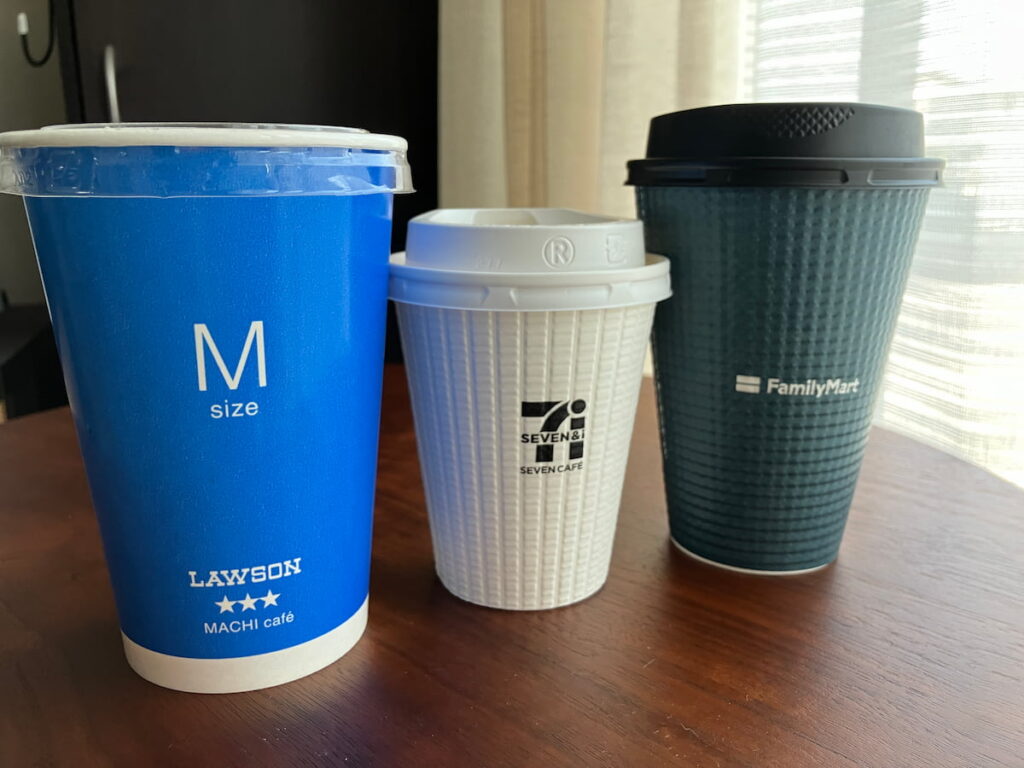
Every tourist who comes to Tokyo walks into a 7-Eleven. Of course they do. It’s familiar. It’s everywhere. It feels safe.
I used to be a 7-Eleven person too.
But somewhere in my thirties, the way I use convenience stores changed completely. 7-Eleven, FamilyMart, Lawson — these are not the same place with different logos. Each one has something the others simply can’t touch. I’ve lived in Tokyo for over twenty years, and I’m going to tell you exactly how I use each one.
My morning routine starts with FamilyMart coffee.
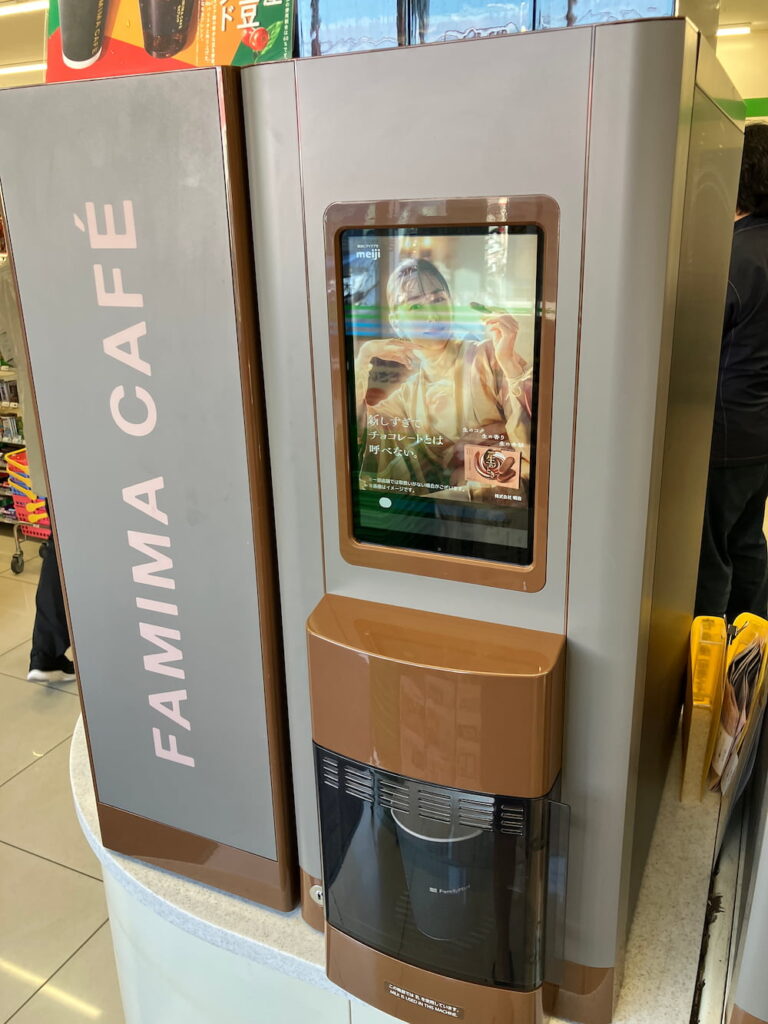
Every morning, before work, I stop at FamilyMart. This is non-negotiable.
I’ll be honest — for years, 7-Eleven had the best convenience store coffee in Tokyo. That was just accepted fact among locals. And to be fair, when convenience store coffee first appeared in Japan, it was exactly what you’d expect: fine, functional, nothing more. The general consensus was that it couldn’t touch a real kissaten — a traditional Japanese coffee shop.
That consensus is dead now.
When FamilyMart upgraded their barista machines, I tried it skeptically. One sip and I thought: this is different. The aroma, the depth, the acidity — it had crossed some invisible line into actual good coffee. And then there’s the customization: strong or light, your choice. That sounds like a small thing. It isn’t. Strong on Monday mornings when I haven’t slept enough. Light on Friday afternoons when I just need something warm. The machine adjusts. The coffee adjusts.
A while back, I handed a cup to a friend who only drinks Starbucks and kissaten coffee — without telling him where it came from.
“Pretty dark roast,” he said. “Just how I like it.”
I told him: “That’s FamilyMart. Large size, strong. Two hundred and sixty yen.”
He went quiet for a moment.
The next morning, he was in line at FamilyMart. I couldn’t help laughing.
A coffee of that quality at a Tokyo café would cost you at least five hundred yen. FamilyMart charges two-sixty. My number one coffee in Tokyo is now FamilyMart. No hesitation.
When I’ve had a long day, 7-Eleven saves me.
Some nights, overtime runs late. The supermarket is already closed. Cooking is not happening. But I worked hard today, and I want something good to eat.
That specific, slightly unreasonable demand — good food, right now, at midnight — is something only 7-Eleven can meet. Twenty-four hours a day.
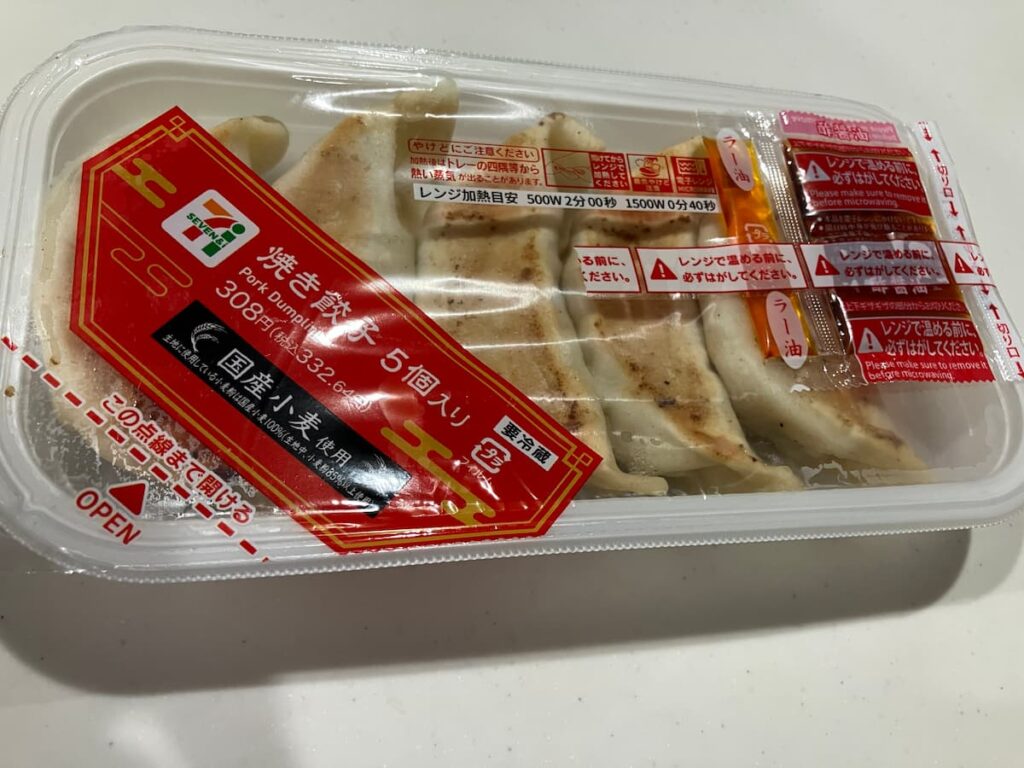
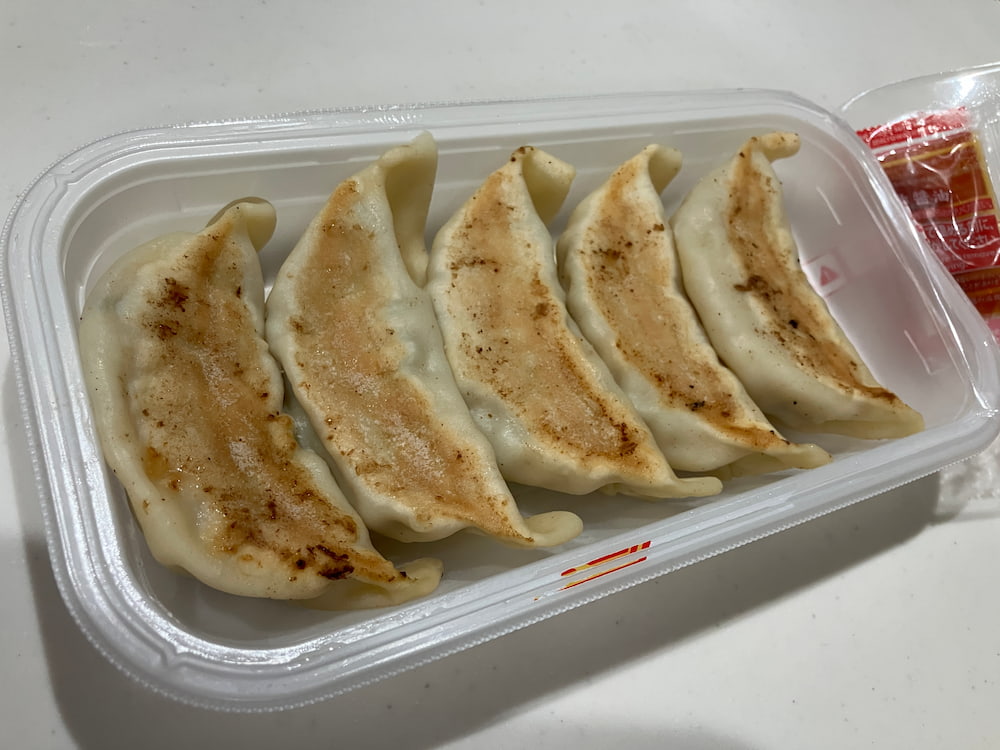
What I always reach for: the chilled gyoza, 308 yen, and the karaage chicken, 232 yen.
One thing locals know that tourists don’t: for the fried items, just ask the staff for a freshly made batch. They’ll make it to order. Walking out with hot karaage you specifically requested, instead of whatever’s been sitting in the warmer — that’s a different experience entirely. Small knowledge, big payoff.
Now, about the gyoza. I should tell you something about myself: I make gyoza from scratch at home. I care about gyoza in a way that might be excessive. So when I say 7-Eleven’s chilled gyoza genuinely surprised me, I mean it. The skin is thick and chewy. The filling is generous. It has real weight to it. This is nowhere near the frozen gyoza category — it’s a completely different product. Five pieces, a bowl of rice, some pickles. That’s a dinner I’m happy with. It also pairs perfectly with beer, which I mention only as useful information.
For anyone visiting from abroad: the fact that gyoza of this quality is available at a convenience store, twenty-four hours a day, on almost every block in Tokyo — that’s not normal. Living here makes you forget that.
The Seven Premium line — the hamburger steak, the beef stew — is also exceptional. A little more expensive, yes. But on a night when you’ve earned it, spending five hundred yen on a proper meal from a convenience store doesn’t feel like compromise. It feels like Tokyo taking care of you.
There’s one more thing about 7-Eleven that took me years to fully appreciate: the rhythm of it.
In Tokyo, convenience stores don’t feel like a backup plan. They feel like infrastructure. The way a subway station feels — just part of how the city works. 7-Eleven specifically has embedded itself into the texture of late-night Tokyo in a way that’s hard to explain if you haven’t experienced it. Standing at the counter at midnight, watching a salary worker in a wrinkled suit heat up a beef stew while a college kid debates which onigiri to get — there’s something quietly human about it.
I want to say a bit more about the karaage, because it deserves it.
The standard approach — picking up whatever’s been sitting in the warmer — is fine. It’s warm, it’s convenient, it does the job. But the fresh-made version is a different thing entirely. You walk up, you say “karaage, freshly made please” (揚げたてでお願いします), and the staff nod and get to work. Three minutes, maybe four. You wait near the counter, and then they hand you a bag that’s actually warm to the touch, not just room temperature. The skin is crisp. The inside is juicy. It costs the same: 232 yen.
I’ve introduced this to three people from abroad. All three have done it again on their own. One of them told me it was the best fried chicken she’d had in Japan — which I thought was going a bit far, until I thought about it more and realized she might not be wrong.
The Seven Premium line also deserves more attention than it usually gets from visitors. The hamburger steak in demi-glace sauce sits at around 500 yen — which sounds like a lot for a convenience store, until you actually taste it. The sauce has depth. The meat has weight. It’s the kind of thing that makes you slightly embarrassed to be impressed by convenience store food, and then you just stop being embarrassed and enjoy it.
One practical note for anyone visiting Tokyo: the 7-Eleven near large train stations — Shinjuku, Shibuya, Ikebukuro — tend to have larger hot food sections. If you want the full experience, those locations are worth prioritizing over the smaller neighborhood ones.
A quiet night at home ends with Lawson.
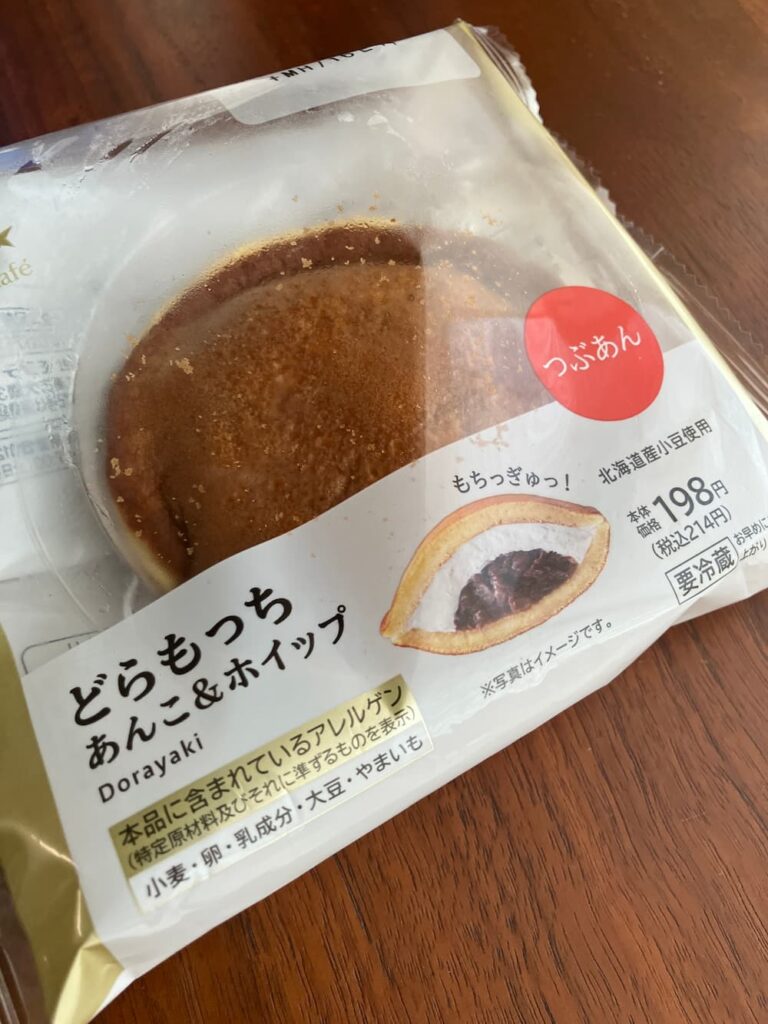
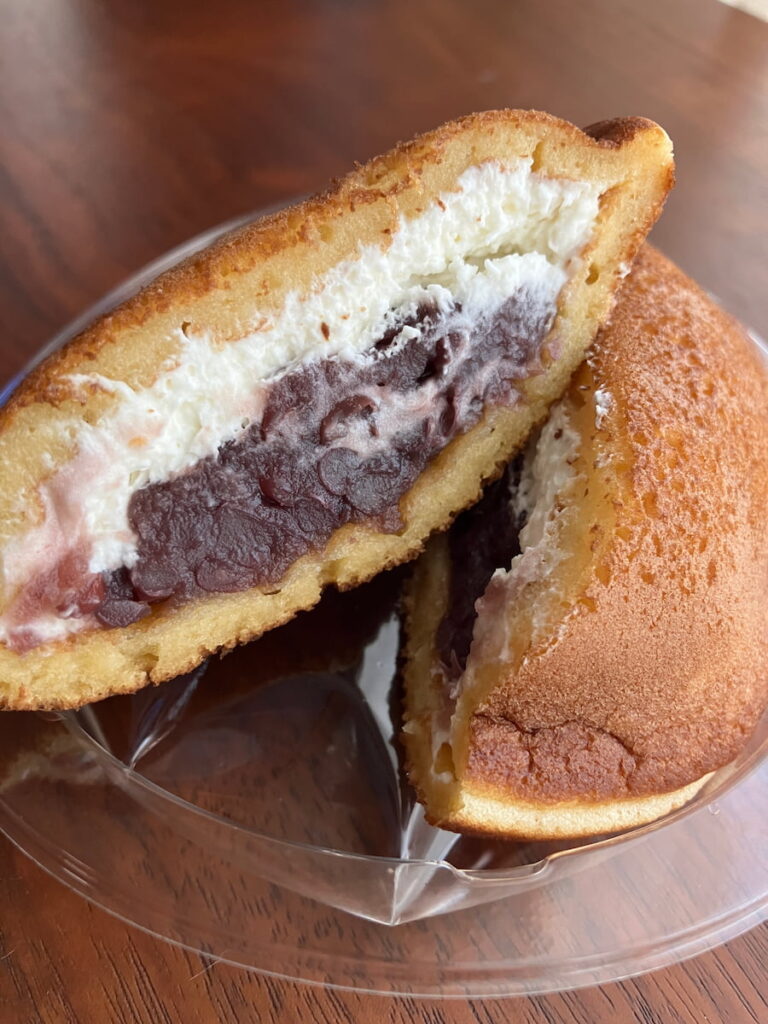
Some days off, you just don’t want to go anywhere. The body says no. But you want something sweet. Not a café — too much effort. Not delivery — too complicated. Just something good, close, now.
That particular brand of low-energy craving is Lawson’s specialty.
My personal pick is the Doramocchi, 214 yen. It’s a Japanese dorayaki — two soft pancake-like rounds — but filled with whipped cream and sweet red bean paste, and the texture of the outer layer is something else entirely: thick, elastic, almost bouncy. You bite into it and it pushes back slightly before giving way. I eat one every time I buy one, which is every time I see one.
The formula is simple: brew a coffee, open the Doramocchi, sit on the couch. That’s it. Somehow, a small apartment in Tokyo becomes a café. I don’t know exactly how Lawson does this, but they do it consistently.
The Premium Roll Cake is also worth mentioning — the entire Uchi Café series operates at a level that shouldn’t be possible from a convenience store. I’ve stopped apologizing for preferring it to actual patisseries on certain evenings.
If you’re visiting Tokyo and you think convenience store sweets are just snacks — you’re about to be corrected. Two hundred and fourteen yen, and you’ll be genuinely happy. That’s the deal.
So where should you actually go?
The answer is still the same: all three. But after twenty-plus years in this city, I want to be more specific about why.
Morning coffee before work → FamilyMart. Late night after a long day → 7-Eleven. Quiet evening at home → Lawson.
This isn’t a ranking. Rankings miss the point. The point is that each of these stores has found something it does better than anyone else, and the locals who’ve lived here long enough have simply figured out which store to walk into depending on what kind of day they’re having. It’s not a system anyone designed. It emerged, slowly, through years of small decisions — this coffee is better here, this gyoza is only good from that place, those sweets come from Lawson and nowhere else.
Tourists tend to pick one and stick to it. Usually 7-Eleven, because it’s globally familiar. That’s completely understandable. But if you stay in Tokyo for more than a few days, I’d encourage you to try the rotation.
Here’s a simple way to think about it: each convenience store corresponds to a specific moment in the day, and a specific emotional register. FamilyMart is the store of mornings — purposeful, efficient, a little caffeinated. 7-Eleven is the store of necessity and reward — it’s there when everything else is closed, and it delivers more than you expect. Lawson is the store of leisure — slow evenings, small indulgences, the kind of contentment that doesn’t require much.


Comments